About Batch Weighing Indicators
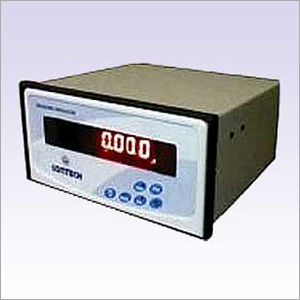
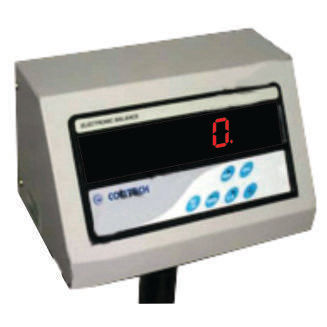
We as a prime exporter, manufacturer, and supplier are occupied with offering an extensive variety of Batch Weighing Indicators. These markers are effectively produced utilizing ideal evaluation segments and propel innovation as per worldwide quality benchmarks by our skilled experts. The pointers gave by us are broadly utilized for measuring the heaviness of different things. Close to this, we offer these Batch Weighing Indicators in differing models and specialized particulars at sensible costs.
Features :
- 1. High Speed A/D conversion.
- 2. Full Digital Calibration through keyboard enabling easy replacement of Indicator in the system.
- 3. 3 point Linearity correction.
- 4. Selectable weighing ranges
- 5. Optional Real time clock.
- 6. Set point comparison for batching application.
- 7. Maximum 2 NO/NC potential free relay contacts.
- 8. Panel mounting or Desktop.
- 9. Optional battery backup.
- 10. Bright LED Display.
- 11. RS-232 Interface (Standard).
- Specifications :
Taring Range : Up to full capacity
Response time : 3-5 secs
Power Req : 90-250V, 50/60Hz, 10 Watt
Operating Temperature : 10 to 45 deg C


Optimized for Industrial AutomationThis Batch Weighing Indicator streamlines industrial automation by integrating easily into various process lines. Its programmable relays and multiple mounting options make it adaptable to a range of bulk material batching applications, while robust construction ensures dependable performance in harsh environments.
Versatile Connectivity and Data ManagementAdvanced connectivity via RS232, RS485, and optional wireless solutions supports seamless integration with existing automation systems. Inbuilt memory and USB data logging allow for efficient batch records management and easy data transfer for analysis and reporting.
User-Friendly OperationFeaturing a clear digital LED display and support for English and other languages, this indicator is intuitive for operators. All programmable functions are accessible via a dedicated interface, ensuring safe, efficient, and user-centric operation.
FAQs of Batch Weighing Indicators:
Q: How is the Batch Weighing Indicator installed for different mounting needs?
A: The unit is designed for versatile installation, accommodating both panel and wall mounting. Precise cutout size guidelines (220 mm x 150 mm) ensure a secure and proper mount, and the enclosures dimensions facilitate easy integration into new or existing setups.
Q: What benefits does the powder-coated mild steel body provide?
A: The powder-coated mild steel enclosure offers enhanced durability and resistance to corrosion, making the indicator suitable for harsh industrial environments while ensuring a long operational lifespan.
Q: When should I consider using the battery backup feature?
A: Battery backup is essential during power interruptions, maintaining up to 24 hours of continuous operation. It ensures uninterrupted batch weighing automation and prevents data loss or process disruptions in critical applications.
Q: Where can the Batch Weighing Indicator be used most effectively?
A: This device excels in industrial automation environments, particularly for batching bulk materials in sectors like manufacturing, processing, and bulk material handling, thanks to its rugged build, high accuracy, and flexible connectivity.
Q: What process does the indicator automate and monitor?
A: It automates and monitors the batch weighing process by providing highly accurate measurement, controlling up to 8 programmable relays/alarms, and recording batch data automatically. This ensures efficient and reliable batching of materials.
Q: How can operational data be retrieved from the device?
A: Operational data can be retrieved using inbuilt memory or by exporting via USB, enabling users to maintain batch records, perform analysis, or create audit trails for industrial compliance.
Q: What is the main benefit of the programmable relay outputs?
A: Programmable relay outputs allow customization of alarms, automation steps, and control signals, optimizing batch processes and integrating efficiently into automated workflows for improved process reliability.




 Send Inquiry

 Send Inquiry